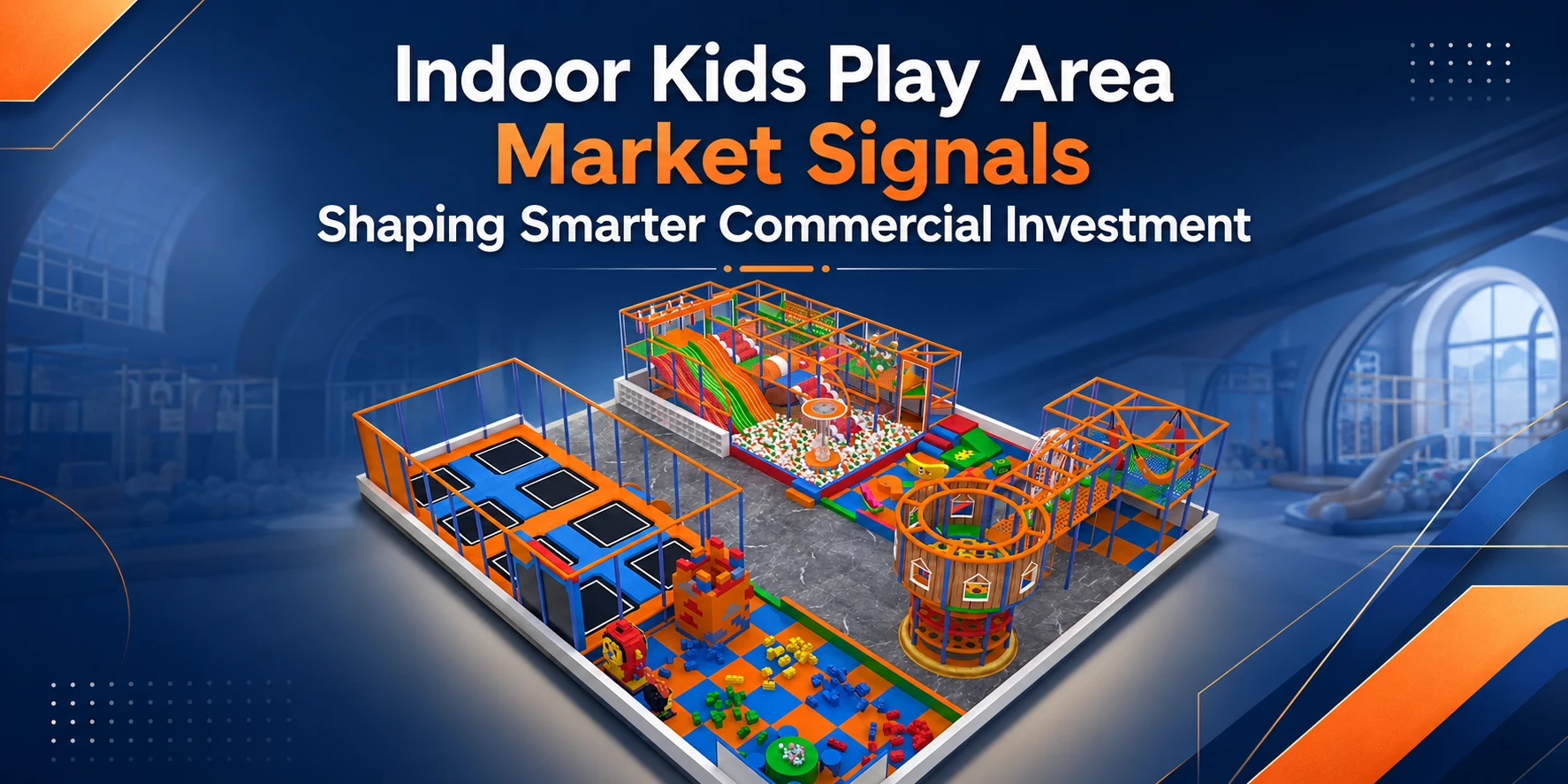
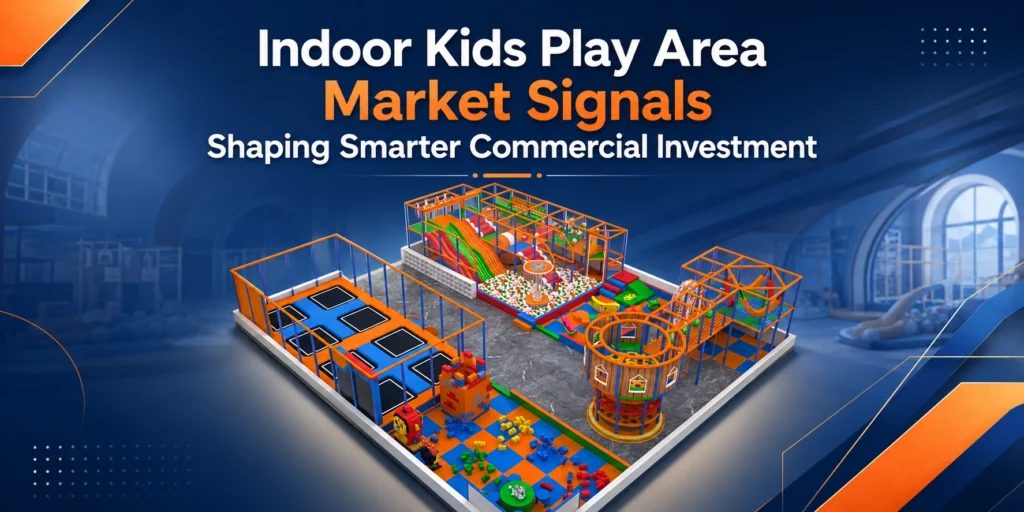
Commercial developers, park operators, mall operators, facility managers, investors and procurement teams evaluating indoor kids play area projects need a buyer-facing view of what the market currently rewards. An indoor kids play area is a climate-controlled commercial facility designed for children’s unstructured play, typically featuring soft play structures, climbing zones, ball pits, trampolines, themed rooms and toddler-specific areas. This article maps venue patterns, revenue benchmarks, feature checklists and operational rules so procurement teams can plan new facilities with realistic demand and cost signals.
What the Indoor Kids Play Area Market Reveals in Local Guides and Venue Directories
Search for ‘indoor kids play area’ and the results cluster around three source types: local parent guides such as ParentMap in Seattle and Austin Moms, Yelp directory pages such as the San Antonio roundup, and individual venue sites including HappyKids, SuperKidz Club, Go Play and INTO Space.
That pattern tells buyers something practical about consumer behaviour:
- Parents trust curated local lists over national directories.
- Venues win clicks by pairing a clear name with location-specific category tags.
- A venue page ranking without a guide or directory entry is rare in most metros.
For market entry, start with two audits. First, list every local guide and Yelp category your target city uses for indoor play. Second, benchmark venue names against those listings — a name like “Go Play” is memorable but needs the tag “indoor kids play area” attached to rank. This groundwork feeds your commercial playground buying criteria before site plans begin.
Pricing and Party Package Benchmarks for Indoor Play Facilities
Direct venue pricing clusters around clear benchmarks. Child admission runs $15.99-$17.99, infants enter free, and one adult per paying child is free; additional adults pay around $5. Memberships tier by household size: $39.99/month for one child, $74.99 for two, $104.99 for three, and $139.99 for four. Party packages run from roughly $175 for a weekday basic option to $475 for a mega party.
For a new indoor kids play area, these figures shape procurement directly. Capacity planning must anticipate peak attendance from membership volumes, while staffing levels and party room size must support weekend booking loads. Ticketing systems need multi-tier admission and recurring billing, and because weekend and holiday slots usually require advance reservation, your booking infrastructure must handle deposits and schedule management. Build these revenue streams into your playground lifecycle cost model before finalising site plans.
Play Zones and Activity Features That Define Indoor Kids Play Areas
Cataloguing competitor floor plans gives you a feature baseline. Recurring zones across leading venues:
- Ball pit cosmos with side-by-side slide banks
- Ninja/warrior obstacle courses
- Bounce zones and open trampolines
- Soft play climbing structures, slides and tunnels
- Pretend play rooms themed as pizza parlours, castles or farms
- Turf zones with ride-ons for younger children
- Sensory-friendly equipment with calm, low-stimulation lighting
Age segmentation follows a consistent pattern: infants 0-11 months enter free, children 1-3 use dedicated toddler areas, and children 4-15 span the climbing, ninja and trampoline zones. Your procurement checklist should cover safety surfacing, zone zoning by age, and maintenance access for cleaning and repairs. Add a playground safety inspection checklist to your handover documents, then lean on themed design elements that photograph well — distinctive visuals are what parents share, and shared photos drive repeat visits.
Operational Rules and Booking Models That Shape Indoor Play Area Facility Planning
Read venue pages the way buyers read spec sheets. Operational rules — open seven days a week, extended Tuesday hours, and weekend, holiday or rainy-day reservation requirements — are direct inputs into your staffing and booking infrastructure. Memberships, visit passes, field trip programmes and private event rentals fill weekday capacity, so plan software and floor space around all four.
Every rule on an indoor kids play area’s venue page translates into a facility requirement. Flexible shift scheduling must cover extended hours. A separate entry flow keeps field trip groups from blocking paying walk-ins. Dedicated party spaces stop event noise bleeding into general play. Place rule signage at admission, zone entrances and exits, not just reception.
Competitive intelligence: operators publish operational changes via homepage banners and location-specific pages. Build an operations page structure that supports timely updates — stale hours cost bookings.
About JQ Playground – commercialplaygroundreview.com
JQ Playground (Wenzhou Jiqi Amusement Equipment Co., Ltd.) is a children’s playground equipment manufacturer founded in 1993. The company provides design, customization, large-scale manufacturing, sales, installation guidance, and after-sales support for outdoor playgrounds, indoor playgrounds, soft play, water playgrounds, PE board playgrounds, kindergarten furniture, outdoor fitness equipment, pet playgrounds, and playground facilities. Approved company facts include 180+ employees, a large Wenzhou production base, 20+ production lines, 55 production machines, ISO/BSCI/EN1176/EN71/ASTM/CPC/CPSIC certification references, 100+ patents, free design support, OEM/ODM capability, trial installation before shipping, export experience, and one-year quality warranty.